




Mysimba® (naltrexone/bupropion)
Comprehensive guidance on use, safety and obtaining a prescription locally.
A prescription medicine for weight management
What Mysimba does and who it's for
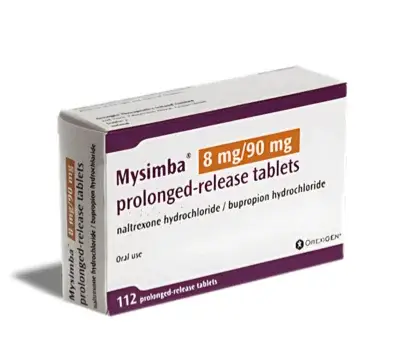
Mysimba combines naltrexone and bupropion to help support weight loss alongside diet and exercise. It works on brain pathways that influence appetite and cravings, aiming to reduce hunger and improve control over eating. Treatment is usually considered for adults with a body mass index (BMI) of 30 or above, or 27 or above with weight-related health issues such as high blood pressure or type 2 diabetes. A full medical assessment is required before starting, including review of current medicines and medical history to ensure safety and suitability.
Supports appetite control
For adults with BMI criteria
Requires medical assessment
Prescription-only medicine
How to get it
Consultation with a prescriber, either GP or clinic, followed by a prescription dispensed by the pharmacy.
Treatment duration
Initial review typically at four weeks, with ongoing reviews every few months depending on progress and tolerance.
Pharmacy support
We offer dispensing, medicine reviews and counselling on side effects and interactions.
Key considerations
Before starting Mysimba, your clinician will check for contraindications such as uncontrolled hypertension, seizure history, eating disorders, pregnancy or concurrent opioid use. Common side effects include nausea, constipation, dry mouth, dizziness and headache; some people experience mood changes. The medicine dose is gradually increased according to the product guide to help tolerance. Regular follow-up is important to monitor blood pressure, mood and treatment effectiveness. If you experience severe or worrying symptoms, contact your prescriber immediately. Pharmacy staff can advise on side-effect management and liaise with the prescriber if issues arise.
Prescription required
Not for pregnant women
May affect mood
Check drug interactions
Local pharmacy support for Mysimba patients
Our service in Edgware
We help patients understand how to take Mysimba safely, review potential interactions with other medications and provide timely dispensing. Our team can explain common side effects and suggest practical measures to improve tolerability. If you need a repeat prescription or advice on monitoring, we’ll coordinate with your prescriber for seamless care. Confidential consultations are available by appointment.
Important safety measures
Safety checks and monitoring
Safety checks include reviewing your medical history, current medicines and any potential interactions. Blood pressure should be monitored because Mysimba can increase it in some people. Because bupropion lowers the seizure threshold, a history of seizures or abrupt alcohol withdrawal may make Mysimba unsuitable. Inform your prescriber about any antidepressants or opioid medications you take. If you experience mood changes, suicidal thoughts, chest pain or signs of an allergic reaction, seek immediate medical attention. The pharmacy can assist with monitoring schedules and ensure you understand warning signs and when to stop treatment.

Frequently asked questions
What is Mysimba used for?
Mysimba is used as an adjunct to diet and exercise for weight management in adults meeting BMI criteria, under medical supervision.
How soon will I notice effects?
Some people notice reduced appetite within weeks, but meaningful weight loss usually appears over months when combined with lifestyle changes.
Can I take Mysimba with other medicines?
Tell your prescriber and pharmacist about all medicines. Mysimba has interactions, notably with opioids and certain antidepressants.
What are common side effects?
Common side effects include nausea, constipation, dry mouth, dizziness and headache. Most are mild and often improve with time.
How do I get a prescription?
Prescriptions are issued by a GP or authorised clinic after assessment. Your pharmacy will dispense and advise on safe use.
Initial assessment and reviews
Getting started and follow-up
Starting Mysimba typically involves a prescriber assessing your eligibility, discussing potential benefits and risks, and arranging baseline checks such as blood pressure. Dosing usually begins low and is titrated to reduce side effects. Follow-up appointments monitor weight progress, blood pressure and mood; adjustments or discontinuation may be advised based on response and tolerance. Your pharmacy will provide counselling on adherence and managing side effects, and can communicate with your prescriber to support continuity of care.